
Play Therapy for Children
At the Mossman Play Therapy Center, we help children and families heal, grow, and better understand big emotions through the therapeutic power of play.
Children often express themselves differently than adults. While adults use words to communicate feelings and experiences, children naturally communicate through play. Toys, art, storytelling, movement, and imagination allow children to safely express emotions that may be difficult to put into words.
Research shows that children's brains are wired for play, and that play is essential for emotional development, problem-solving, attachment, and resilience. Studies have found that play therapy can significantly improve emotional and behavioral difficulties in children while strengthening parent-child relationships and increasing healthy coping skills.
What is Play Therapy?
Play therapy is more than simply playing games or using toys during therapy sessions. Play therapists receive specialized training in child development, attachment, and developmentally appropriate therapeutic approaches that use play intentionally to support healing and growth.
At the Mossman Play Therapy Center, our clinicians are rooted in play therapy theories and the therapeutic powers of play. Some clinicians hold advanced credentialing as Registered Play Therapists, while others integrate play therapy principles into their clinical work with children and families.
Unlike "play-based" therapy, where play may be used casually to engage children, play therapy recognizes that play itself is the intervention. Children communicate, process experiences, explore relationships, and work through emotions naturally through play. Rather than using play simply as a way to get children to talk, trained play therapists use the therapeutic powers of play to support emotional growth, healing, and lasting change.
Play therapy helps children:
- Express and process emotions
- Develop healthy coping skills
- Improve emotional regulation
- Build confidence and self-esteem
- Strengthen relationships and attachment
- Work through difficult or overwhelming experiences
Children may benefit from play therapy when they are experiencing:
- Anxiety or worries
- Behavioral challenges or emotional outbursts
- Grief and loss
- Family changes such as divorce or separation
- Trauma or stressful life experiences
- Difficulty at school or with peers
- Trouble sleeping or nightmares
- Changes in mood or behavior
At the Mossman Play Therapy Center, we believe children are more than a sum of their behaviors. Our therapists work to understand the deeper needs beneath a child's struggles while creating a safe and supportive space for healing.
Our approach is rooted in the understanding that early support matters. Research shows that even very young children can benefit from therapy that is developmentally appropriate, relationship-focused, and grounded in the therapeutic powers of play.
Healing and growth are possible when children feel safe, understood, and supported in ways that match their developmental needs.
Below, meet the clinicians who provide play therapy at Mossman Play Therapy Center.
Who offers Play Therapy
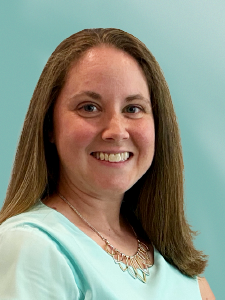
Kristen Brown, LMHC
Licensed Clinician
Checking openings…

Emma Dean, LCSW
Prelicensed Clinician
Checking openings…
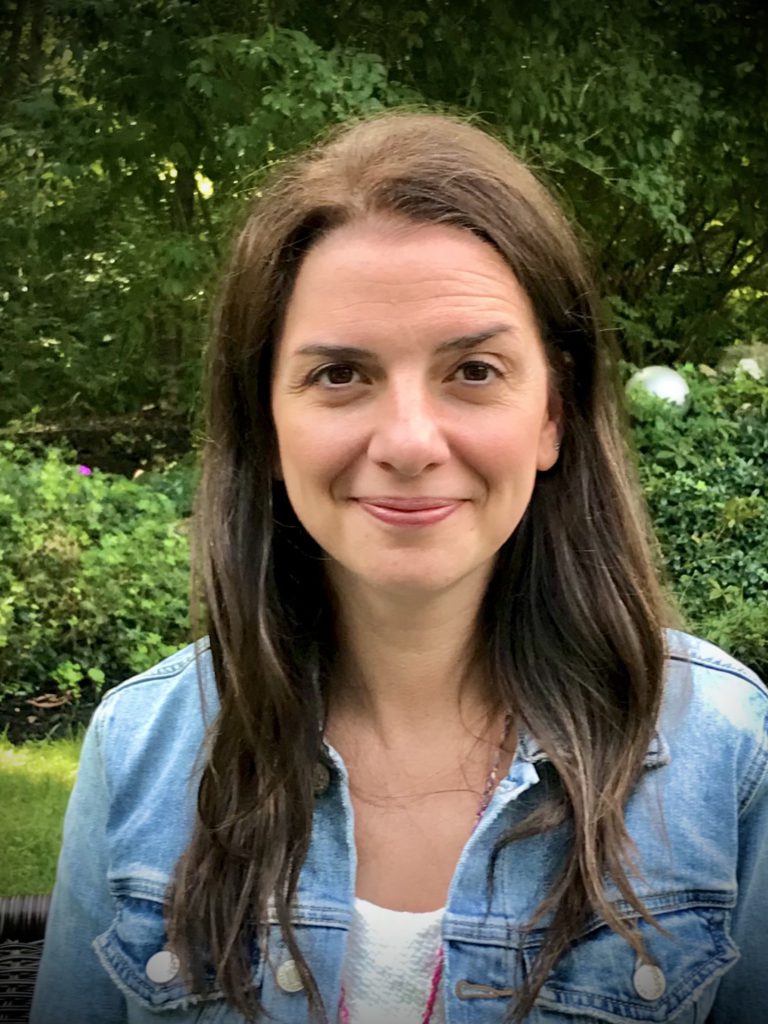
Alyssa Graye, Board Certified Registered Art Therapist
Prelicensed Clinician
Checking openings…

Mackenzie Kewley, LCSW
Prelicensed Clinician
Checking openings…

Jessica Laniewski, LMHC
Licensed Clinician
Checking openings…
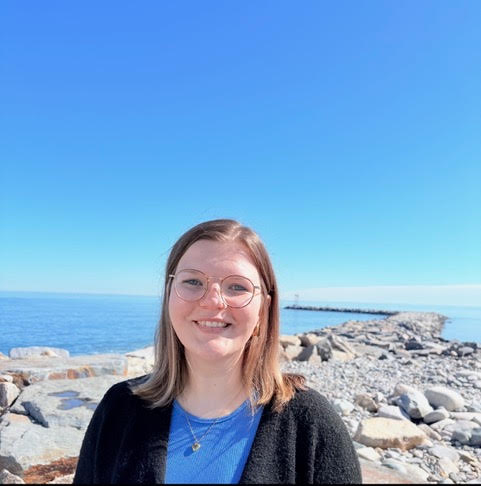
Madeline Leonard, MS, NCC
Prelicensed Clinician
Checking openings…
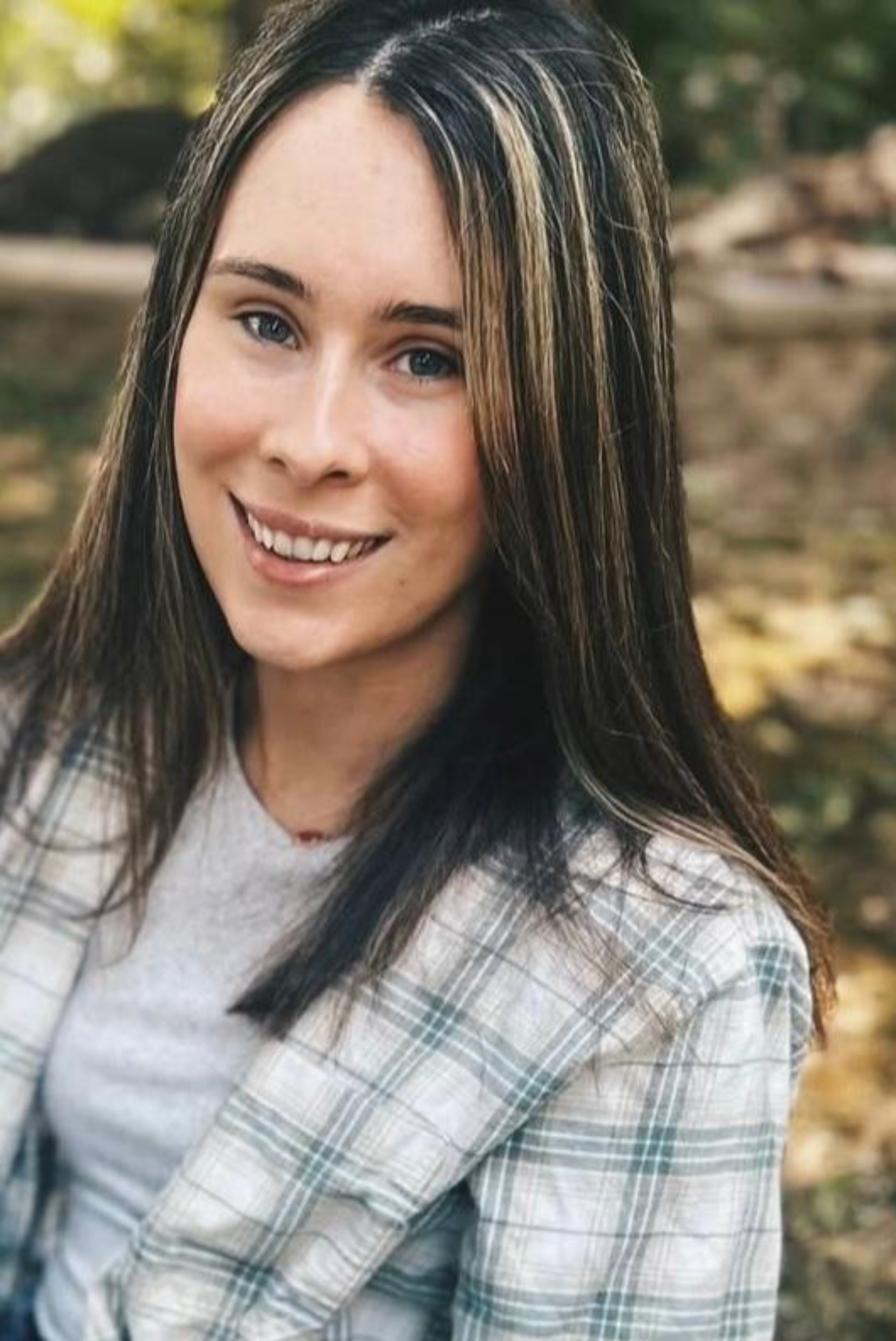
Jillian Manning, LCSW
Prelicensed Clinician
Checking openings…

Jenna McDonough, Masters Mental Health Counselor
Prelicensed Clinician
Checking openings…

Katey McNeil, Masters Mental Health Counselor
Prelicensed Clinician
Checking openings…

Brenna Mereness, LMHC
Licensed Clinician
Checking openings…
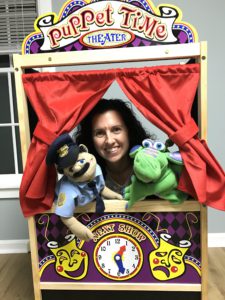
Kimberly Mossman, LICSW, Ed.S, Registered Play Therapist Supervisor, Certified Synergetic Play Therapist
Licensed Clinician
Checking openings…

Marisa Stewart, Master’s Mental Health Counselor
Prelicensed Clinician
Checking openings…

Jenna Thomas, Master’s Mental Health Counselor
Prelicensed Clinician
Checking openings…